

Run your tongue across your teeth, and they should feel smooth and slick. When they feel gritty, bumpy, or sandpaper-like instead, your mouth may be telling you something.
Sometimes the cause is as simple as buildup that a professional teeth cleaning can remove. Other times, a dentist in West Palm Beach may need to take a closer look at your enamel or existing dental work.

What Could Be Making Your Teeth Feel Rough?
Plaque and Tartar Buildup
Plaque is a soft, sticky film of bacteria that forms on teeth throughout the day. When it isn't brushed and flossed away, it hardens into tartar, which feels rough, especially along the gumline and behind the lower front teeth. Once tartar forms, only professional tools can remove it.
Enamel Erosion
Acids from soda, citrus, sports drinks, and even some flavored sparkling waters can gradually wear down enamel. As the surface thins, teeth may feel rough, look slightly dull, or become sensitive.
Sipping acidic drinks throughout the day tends to do more harm than enjoying them with a meal. These tips on dietary acids and your teeth explain which foods and drinks to watch out for.
Teeth Grinding and Clenching
Grinding, which often happens during sleep, can flatten biting surfaces and leave edges uneven or jagged. Many people don't know they grind until they notice wear, jaw soreness, or morning headaches. A custom night guard can help protect teeth from further damage.
Chips and Worn Dental Work
A small chip can feel surprisingly large to your tongue. Older fillings, crowns, and bonding can also wear down or develop rough edges over time. Minor chips can often be smoothed or repaired with cosmetic bonding.
Dry Mouth
Saliva helps rinse away food particles and keeps teeth feeling smooth. When your mouth stays dry, plaque builds up faster, and teeth can feel filmy or coarse. Medications, dehydration, and certain health conditions are common culprits, and these dry mouth causes and remedies offer helpful guidance.
Early Tooth Decay
Decay weakens enamel and can create small pits or rough spots before a cavity becomes painful. Catching it early often means a simple tooth filling instead of more involved treatment.
A Common Mistake: Brushing Harder
It's natural to want to scrub away rough spots, but brushing harder can actually make things worse. Aggressive brushing can wear enamel and irritate gums, especially right after acidic foods soften the surface.
A soft-bristled brush, gentle pressure, and fluoride toothpaste are a better approach. It also helps to rinse with water after acidic foods or drinks and wait a while before brushing.
Frequently Asked Questions
Can I Remove Tartar at Home?
No. Once plaque hardens into tartar, brushing and flossing can't remove it. Scraping at it with sharp objects can damage enamel and gums, so it's best left to a professional cleaning.
Can Rough Enamel Become Smooth Again?
It depends on the cause. Buildup can be cleaned away, and minor rough spots can often be polished or repaired. Lost enamel doesn't grow back, but treatments like bonding can restore a smooth surface.
Should I Be Concerned About Grinding at Night?
Grinding is worth addressing early, since it can lead to more than rough edges. Over time, it may even cause cracked teeth, worn restorations, and jaw discomfort. A dentist can often spot early signs of wear during a routine exam, sometimes before you notice any symptoms.
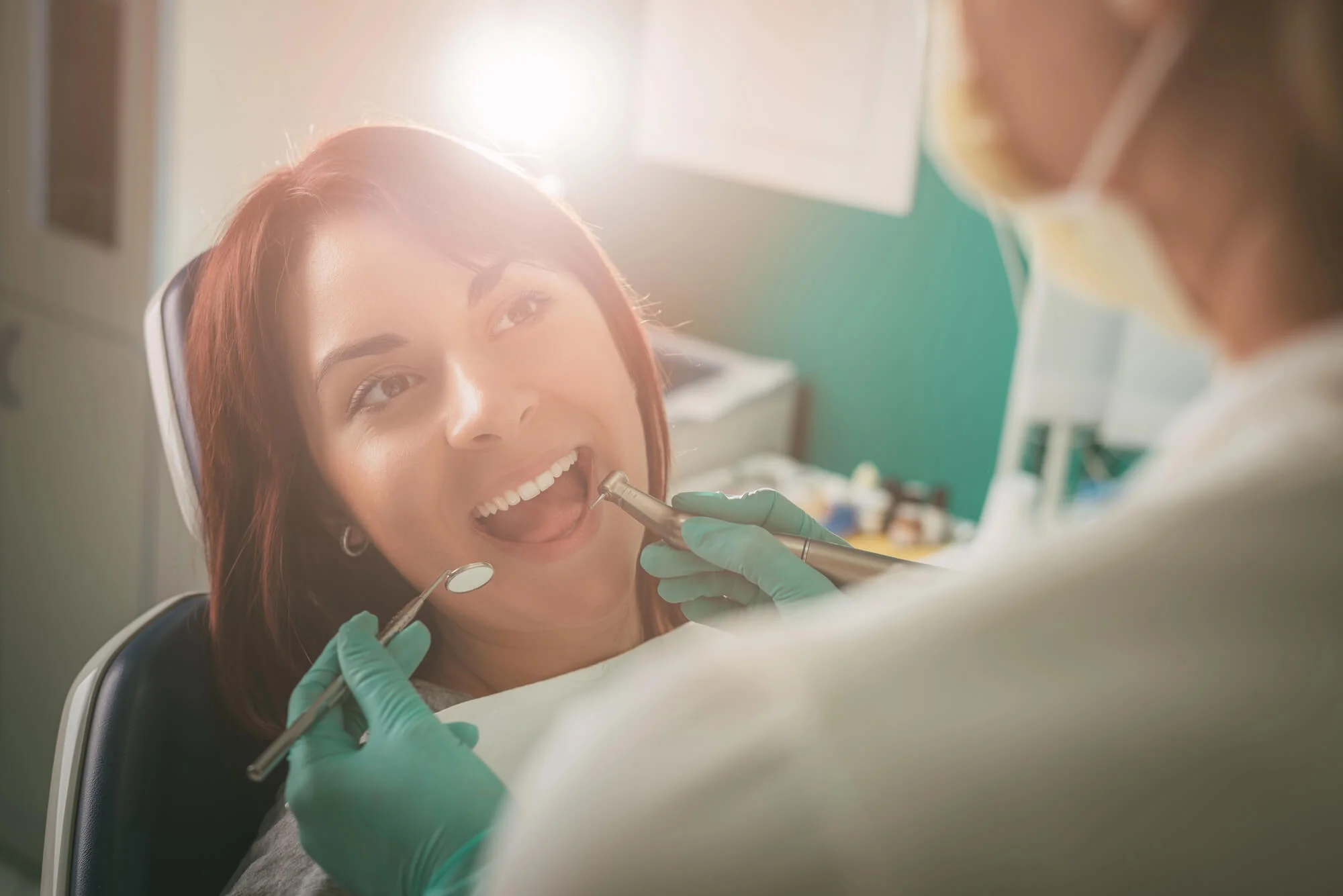
Talk to a Dentist in West Palm Beach About Rough Teeth
If your teeth have started to feel rough, we're happy to help you find out why. At Gardens Dental Care, we'll examine your teeth, explain what's causing the change, and walk you through options that fit your needs, whether that's a cleaning, a night guard, or a simple repair.
Have questions or want to schedule a visit? Contact our team to book an appointment at a time that works for you.